VOL. 01 — THE OFFICIAL RECORD OF PEOPLE BUILDING THE FUTURE

Standard Open

What Does Everyone Get Wrong?

Perspectives across every Innovators Report.

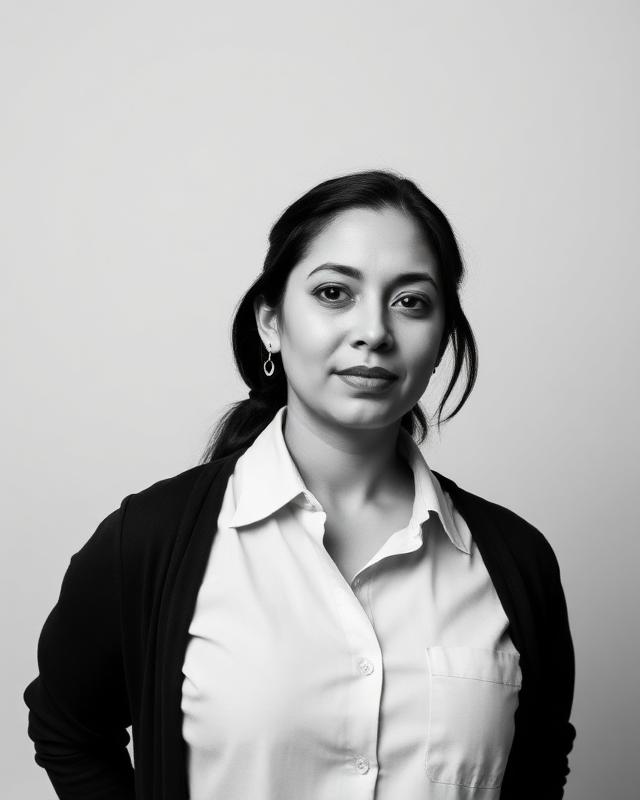
Portrait of Maya ChenMaya ChenFounder & CEO, Parallel Intelligence

We keep treating intelligence like a zero-sum game.

The assumption underneath most conversations about AI is that every capability gained by a machine represents territory lost by a human.

That's historically strange. Calculators didn't make mathematics irrelevant. Cameras didn't eliminate painting. Search engines didn't eliminate expertise.

New capabilities change what we value.

AI will eliminate the scarcity of certain kinds of intelligence. The interesting question isn't whether humans can compete with machines at those tasks. It's what becomes scarce after intelligence itself becomes abundant.

My bet is judgment.
From: Human Advantage
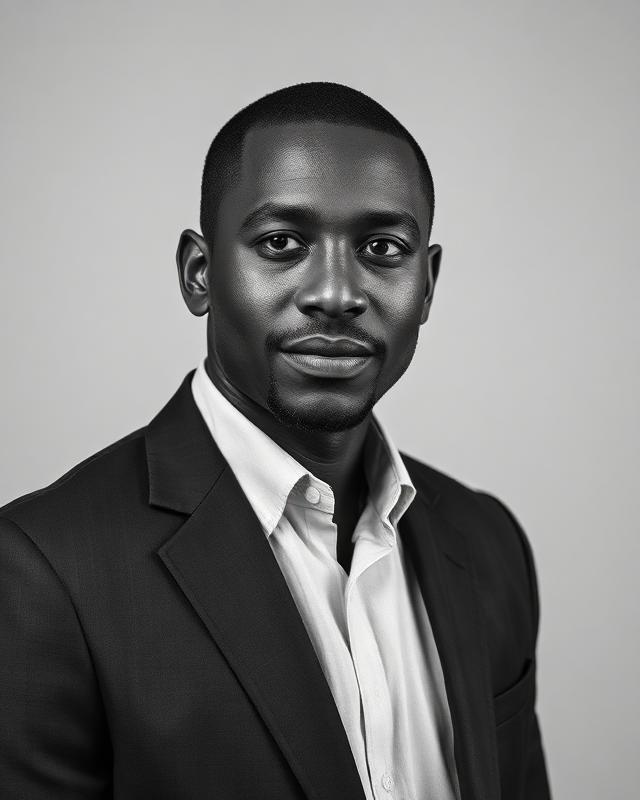
Portrait of Marcus ValeMarcus ValeFounder, Forge Robotics

People dramatically overestimate how structured the physical world is.

A robot demonstration can make the future look five minutes away.

Then you put the robot in a warehouse where somebody moved the pallet, the lighting changed, a box ripped open and Gary left a ladder where it absolutely should not be.

Welcome to reality.

Humans are phenomenal at operating in environments nobody bothered to make machine-readable.

Robotics will get there. But the last 10% of physical-world autonomy contains about 90% of the weirdness.

From: Human Advantage
Portrait of Dr. Elena ParkDr. Elena ParkFounder, Lucent Labs

We're confusing intelligence with consciousness, and consciousness with humanity.

A system doesn't have to think like us to outperform us.

That's uncomfortable because we've spent centuries treating intelligence as evidence of human exceptionalism.

If intelligence stops being uniquely human, that doesn't necessarily diminish humanity.

It may force us to develop a more sophisticated definition of it.

From: Human Advantage
Portrait of Sofia ReyesSofia ReyesFounder & Chief Designer, Elsewhere

We assume people actually want everything optimized.

They don't.

Humans routinely choose the slower restaurant, the imperfect handmade object, the inconvenient neighborhood and the objectively irrational hobby.

Optimization is useful. Meaning is different.

A future designed entirely around efficiency would be extraordinarily efficient—and probably unbearable.

From: Human Advantage
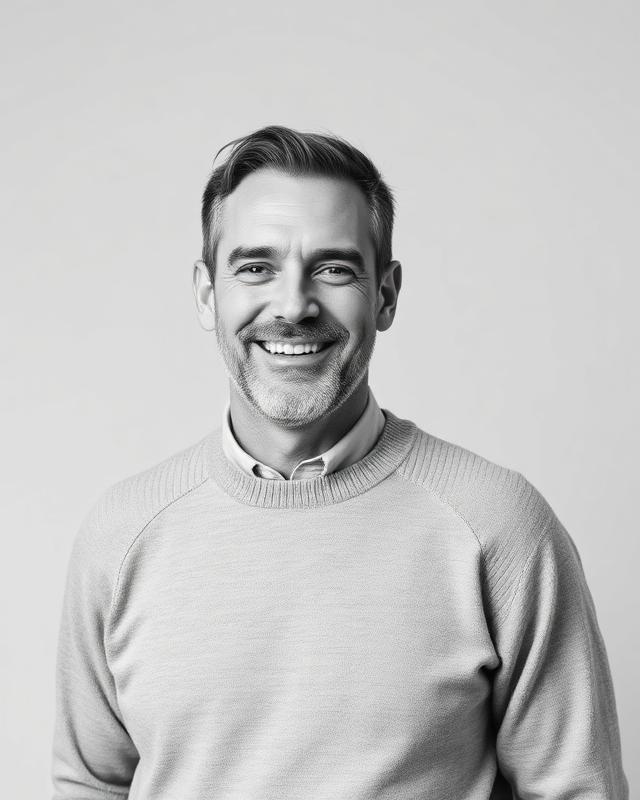
Portrait of David OkaforDavid OkaforManaging Partner, Northstar Ventures

Everyone is asking which jobs disappear. That's the least interesting economic question.

Every major technology destroys some economic advantage and creates another.

I'm much more interested in what becomes disproportionately valuable.

If everyone suddenly has access to extraordinary analytical and creative capability, then access to intelligence stops differentiating companies.

Taste might. Distribution might. Reputation might. Relationships certainly might.

AI won't eliminate competitive advantage. It'll move it.

From: Human Advantage
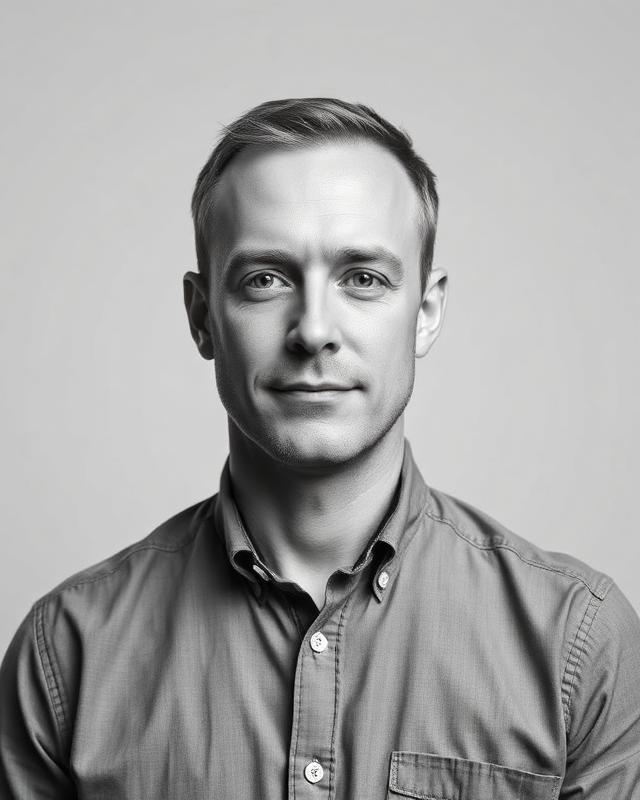
Portrait of Dr. Noah BennettDr. Noah BennettFounder, Continuum Health

We're framing replacement as the objective when augmentation is often much more valuable.

If AI can identify a disease earlier than I can, I don't feel existentially threatened.

I want it in my clinic tomorrow.

The physician's job shouldn't be preserving tasks simply because physicians historically performed them.

It should be producing better human outcomes.

From: Human Advantage
Portrait of Aisha ThompsonAisha ThompsonFounder, Uncommon Schools Lab

We're worried AI will make students stop thinking when our education system already rewards them for not thinking.

Memorize. Repeat. Get the grade. Forget.

AI exposes the weakness of that model.

If a machine can complete the assignment perfectly in eight seconds, perhaps the assignment wasn't measuring something particularly valuable.

That isn't necessarily an AI crisis. It might be an education opportunity.

From: Human Advantage
Portrait of Jon BellJon BellCEO, Common Ground

We underestimate how much civilization runs on relationships rather than information.

Knowing who can solve a problem and having that person actually answer your call are very different things.

AI can radically improve access to information.

Access to people still runs on trust.

From: Human Advantage
Portrait of Priya RamanPriya RamanFounder, MatterWorks

People think adoption happens when the technology works.

Technology adoption happens when the economics, workflow, training, incentives, reliability and organizational politics all work.

The prototype is usually the easy part.

Humans don't simply inhabit technological systems. We decide whether they'll survive contact with reality.

From: Human Advantage