What Will Humans Still Be Better At?
10 innovators on what remains uniquely human in an age of increasingly capable machines.
The Brief
Artificial intelligence is rapidly moving beyond information retrieval into reasoning, creation, decision-making and action. Robotics is bringing that intelligence into the physical world.
The obvious question is what machines will be able to do next.
We asked a different one.
As machines get better at being intelligent, what becomes more valuable about being human?
For this report, 10 innovators working across AI, robotics, neuroscience, medicine, design, education, investing and other fields answer five questions.
The Innovators

Maya Chen
Founder & CEO, Parallel Intelligence
Artificial Intelligence
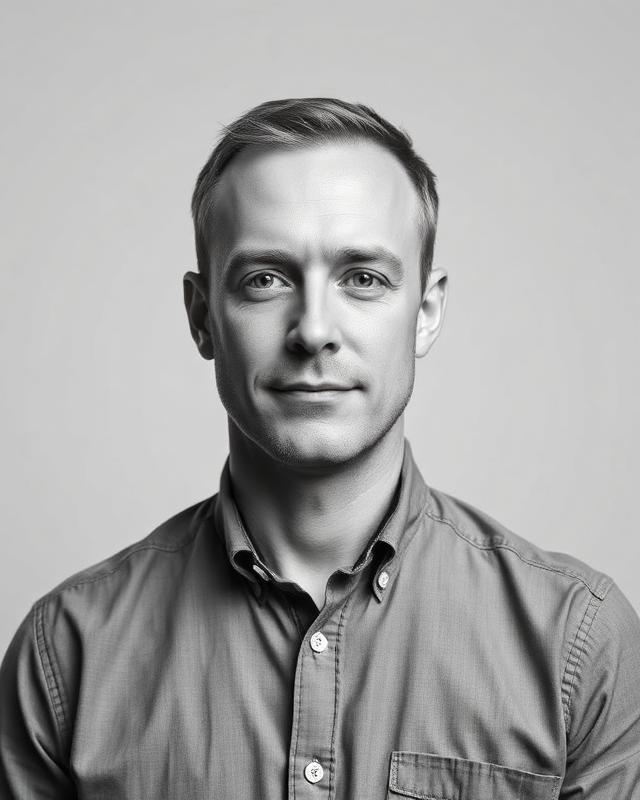
Marcus Vale
Founder, Forge Robotics
Robotics

Dr. Elena Park
Founder, Lucent Labs
Neuroscience
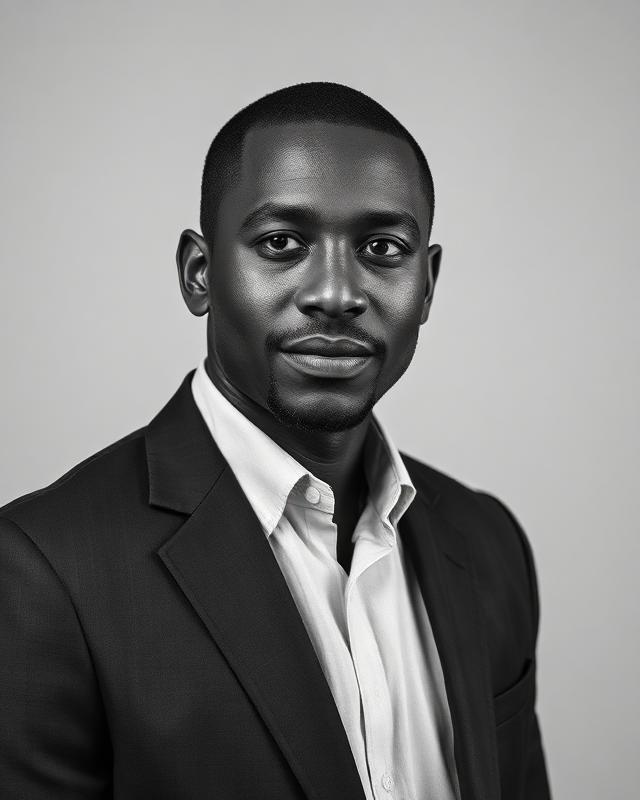
David Okafor
Managing Partner, Northstar Ventures
Venture Capital
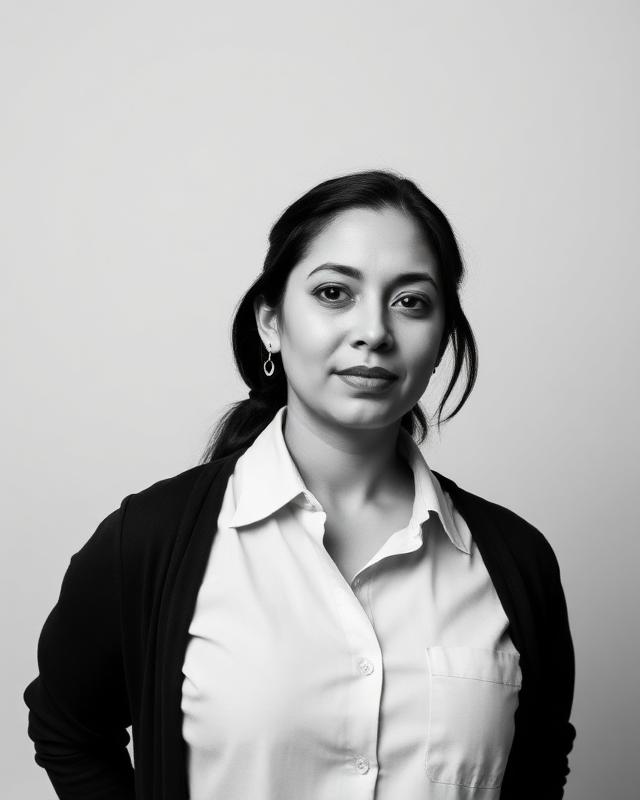
Sofia Reyes
Founder & Chief Designer, Elsewhere
Design
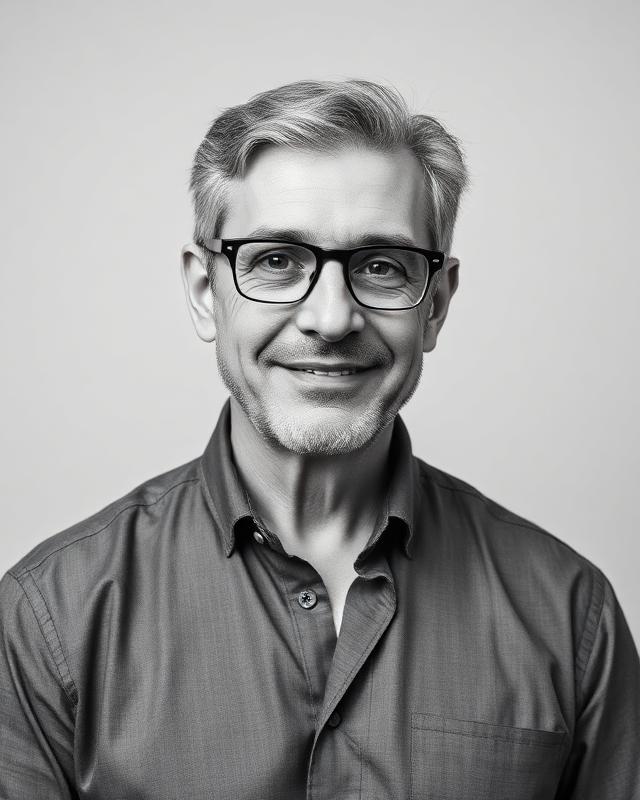
Dr. Noah Bennett
Founder, Continuum Health
Medicine
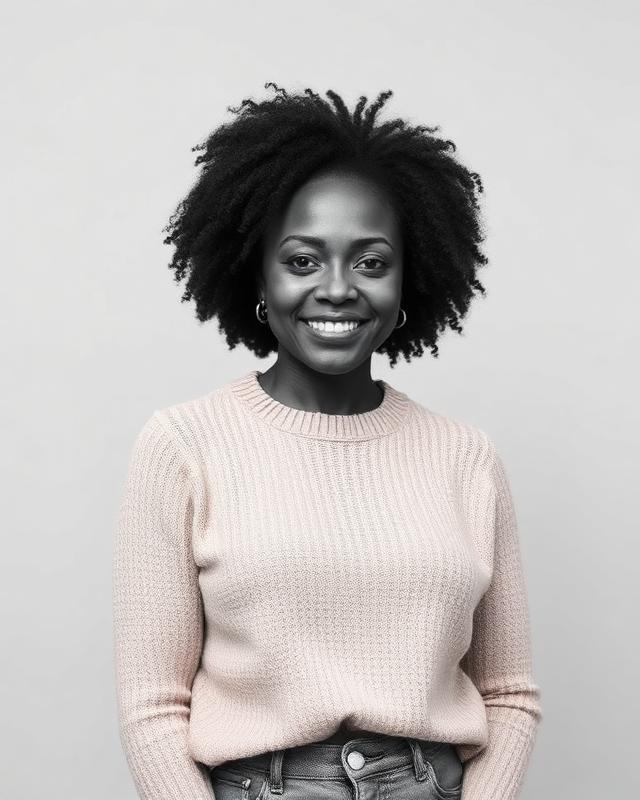
Aisha Thompson
Founder, Uncommon Schools Lab
Education
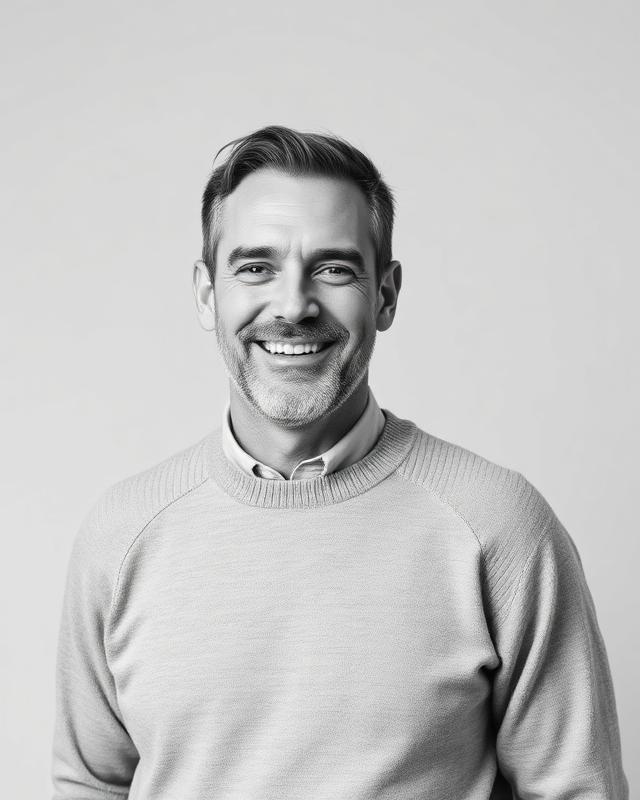
Jon Bell
CEO, Common Ground
Community
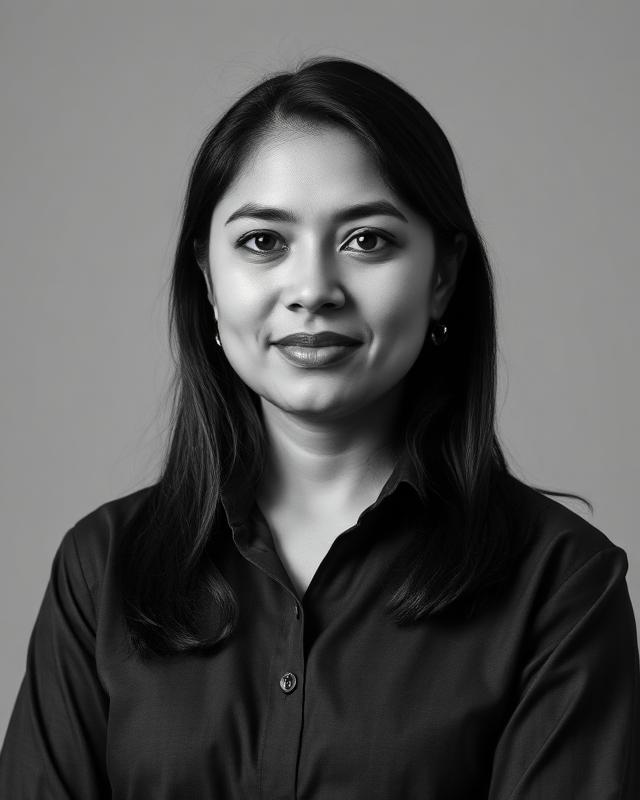
Priya Raman
Founder, MatterWorks
Advanced Manufacturing

Adrian Cole
Founder, Longview Institute
Futures
What does everyone get wrong about the future of humans and AI?
Maya ChenFounder & CEO, Parallel Intelligence“We keep treating intelligence like a zero-sum game.”
The assumption underneath most conversations about AI is that every capability gained by a machine represents territory lost by a human.
That's historically strange. Calculators didn't make mathematics irrelevant. Cameras didn't eliminate painting. Search engines didn't eliminate expertise.
New capabilities change what we value.
AI will eliminate the scarcity of certain kinds of intelligence. The interesting question isn't whether humans can compete with machines at those tasks. It's what becomes scarce after intelligence itself becomes abundant.
My bet is judgment.
Marcus ValeFounder, Forge Robotics“People dramatically overestimate how structured the physical world is.”
A robot demonstration can make the future look five minutes away.
Then you put the robot in a warehouse where somebody moved the pallet, the lighting changed, a box ripped open and Gary left a ladder where it absolutely should not be.
Welcome to reality.
Humans are phenomenal at operating in environments nobody bothered to make machine-readable.
Robotics will get there. But the last 10% of physical-world autonomy contains about 90% of the weirdness.
Dr. Elena ParkFounder, Lucent Labs“We're confusing intelligence with consciousness, and consciousness with humanity.”
A system doesn't have to think like us to outperform us.
That's uncomfortable because we've spent centuries treating intelligence as evidence of human exceptionalism.
If intelligence stops being uniquely human, that doesn't necessarily diminish humanity.
It may force us to develop a more sophisticated definition of it.
Sofia ReyesFounder & Chief Designer, Elsewhere“We assume people actually want everything optimized.”
They don't.
Humans routinely choose the slower restaurant, the imperfect handmade object, the inconvenient neighborhood and the objectively irrational hobby.
Optimization is useful. Meaning is different.
A future designed entirely around efficiency would be extraordinarily efficient—and probably unbearable.
+ 6 more perspectives this question
What will humans still be better at?
Maya ChenFounder & CEO, Parallel Intelligence“Knowing what matters.”
Machines will become exceptional at answering questions. Humans retain an enormous role in deciding which questions deserve answers.
Marcus ValeFounder, Forge Robotics“Improvisation.”
Particularly when the objective changes halfway through the task and nobody updated the instructions.
Dr. Elena ParkFounder, Lucent Labs“Experiencing consequences.”
We don't merely calculate outcomes. We live inside them.
David OkaforManaging Partner, Northstar Ventures“Believing before the evidence exists.”
Every transformative company begins as something the available data cannot fully justify.
Dr. Noah BennettFounder, Continuum Health“Presence.”
Sometimes the most important thing one person can provide another isn't information.
Priya RamanFounder, MatterWorks“Making shit work.”
Reality produces edge cases faster than engineers can document them.
+ 4 more perspectives this question
What will machines become better at sooner than most people expect?
Marcus ValeFounder, Forge Robotics“Dexterous physical manipulation.”
The leap from impressive demonstrations to reliable manipulation will happen faster than many people outside robotics expect.
Dr. Noah BennettFounder, Continuum Health“Diagnosis.”
Medicine contains enormous amounts of pattern recognition. Machines will increasingly see patterns no individual physician could.
Sofia ReyesFounder & Chief Designer, Elsewhere“Generating aesthetically excellent work.”
We should stop pretending humans will retain a monopoly on beauty. The more interesting question is whether provenance changes how we value it.
Aisha ThompsonFounder, Uncommon Schools Lab“Personalized instruction.”
One-to-one instruction has historically been expensive. AI radically changes those economics.
Maya ChenFounder & CEO, Parallel Intelligence“Managing complex organizations.”
AI won't simply perform individual tasks. Increasingly capable systems will coordinate tasks, people, information and resources across organizations.
+ 5 more perspectives this question
What becomes more valuable as machines become more capable?
One word each. Select a word to read the argument behind it.
What do you believe happens next?
Maya ChenFounder & CEO, Parallel Intelligence“AI disappears into everything.”
Eventually we stop talking about “AI products” for the same reason we stopped talking about “internet-enabled businesses.”
Intelligence becomes an expected layer of nearly every product and service.
Marcus ValeFounder, Forge Robotics“AI gets a body.”
The next enormous shift isn't another chatbot.
It's machine intelligence becoming capable of reliably manipulating the physical world.
Sofia ReyesFounder & Chief Designer, Elsewhere“Imperfection becomes premium.”
Handmade. Live. Local. Human. Unrepeatable.
We will increasingly pay for evidence that something wasn't optimized.
David OkaforManaging Partner, Northstar Ventures“Human credibility becomes an asset class.”
When producing convincing information becomes essentially free, knowing who you trust becomes extraordinarily valuable.
Adrian ColeFounder, Longview Institute“We stop asking whether AI is better than humans.”
The comparison eventually becomes as strange as asking whether an airplane is better than a bird.
The more important question will be what humans can accomplish with capabilities neither humans nor machines possessed independently.
+ 5 more perspectives this question
Closing Editorial Synthesis
The human advantage may be changing.
Across five questions and ten disciplines, remarkably few of these innovators stake humanity's future on being smarter than machines.
Instead, their answers repeatedly converge around a different set of advantages: judgment, meaning, trust, agency, presence, taste, responsibility.
For centuries, intelligence was scarce. We're entering a world in which it may become abundant.
And when something becomes abundant, value tends to migrate somewhere else.
Perhaps the defining question of the AI era isn't whether machines become more like us.
What do we choose to become when intelligence alone no longer makes us special?